Yogi Adityanath orders revamp of UP drug regulation system
CM Yogi Adityanath orders major overhaul of UP drug regulation system to ensure medicine quality
- By Gurmehar --
- Friday, 24 Oct, 2025
Uttar Pradesh Chief Minister Yogi Adityanath has announced a comprehensive plan to reform the state’s drug regulation system. The move aims to ensure that all medicines available in the state meet strict quality and safety standards. The Chief Minister emphasised that public health depends heavily on the reliability and quality of medicines, and the government will not compromise on this issue.
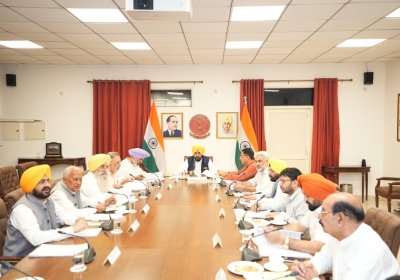
During a high-level meeting of the Food Safety and Drug Administration (FSDA) Department in Prayagraj, CM Yogi directed officials to strengthen the existing framework of medicine regulation. He also approved several key measures, including the creation of new posts and expansion of the drug inspection network across all districts of Uttar Pradesh.
New posts and stronger inspection network
To improve local-level monitoring, the Chief Minister ordered the creation of new posts titled District Drug Control Officer in every district. These officers will be responsible for ensuring that inspections, licensing, and monitoring activities are carried out effectively at the district level. The move is expected to bring better supervision, faster response to violations, and improved coordination between district and state offices.
The Chief Minister also directed that the number of Drug Inspectors be doubled to meet national standards. At present, Uttar Pradesh has only 109 Drug Inspectors, which is far below the recommended number for a state of its size. The shortage of inspectors has affected the timely inspection of medical shops, distributors, and pharmaceutical units. Doubling the number of inspectors will allow for more frequent and thorough checks, ensuring that substandard or fake medicines do not reach consumers.
CM Yogi further instructed officials to introduce transparency in recruitment. To ensure fairness and merit-based selection, new recruitments for Drug Inspectors will be done through written examinations instead of interviews. This step is expected to eliminate bias and favouritism while ensuring that only qualified and capable candidates are appointed.
The Chief Minister stressed that inspections must be time-bound and strictly monitored. He asked officials to establish a clear inspection schedule and report system so that no district remains unchecked. The aim is to make the inspection process more consistent and accountable, ensuring better regulation at the grassroots level.
ALSO READ: Experts raise alarm over increasing breast cancer in young women
ALSO READ: India faces rising concerns over adulterated eggs alongside fake paneer
Cadre restructuring and leadership stability
CM Yogi also approved proposals to reorganise the drug control cadre. This includes increasing the number of Deputy Commissioners (Drugs) and amending the eligibility criteria for promotions to the post of Joint Commissioner (Drugs). These changes will help create a more structured and motivated workforce within the FSDA.
In addition, the Chief Minister directed that clear qualifications and a fixed tenure should be defined for the post of Drug Controller. This will ensure leadership stability and accountability at the top level of the department. Fixed tenure will help prevent frequent transfers, allowing senior officials to implement long-term reforms effectively.
CM Yogi pointed out that the state’s drug inspection mechanism needs to be aligned with national standards. The shortage of inspectors and lack of structured oversight have affected the efficiency of the system in recent years. By bringing the workforce and procedures up to the required level, Uttar Pradesh can ensure that its regulatory system matches that of other progressive states in India.
The Chief Minister also urged the department to use technology and digital tools for monitoring inspections, tracking the movement of medicines, and maintaining data transparency. He said that digitisation would help identify violations quickly and reduce the chances of human error or corruption.
Aiming for stronger oversight and public trust
During the meeting, CM Yogi Adityanath reiterated his government’s commitment to public health safety and transparent governance. He said that the credibility of medicines sold in Uttar Pradesh depends on strong regulatory enforcement. Strengthening the drug control system will protect people from the risks of counterfeit or low-quality medicines and will help build public trust in the healthcare system.
The Chief Minister added that this reform will also benefit the pharmaceutical industry by ensuring that only licensed and compliant manufacturers can operate in the state. With better quality control and regular inspections, Uttar Pradesh can establish itself as a reliable market for safe and effective medicines.
Yogi Adityanath’s decision comes at a time when ensuring medicine safety has become a national priority. Several states have been urged to enhance their drug regulation systems following reports of substandard medicines affecting patients in different regions.
By introducing new officer posts, doubling the number of inspectors, and restructuring the cadre, Uttar Pradesh aims to create a robust, transparent, and accountable regulatory framework. These reforms are expected to make the state’s drug control system more efficient and responsive to modern healthcare challenges.
In conclusion, the Chief Minister’s directions mark a major step toward ensuring medicine quality and public health safety in Uttar Pradesh. The overhaul of the drug regulation system reflects the state government’s focus on transparency, efficiency, and trust in governance. With stronger supervision and clear accountability, Uttar Pradesh is moving closer to achieving a model drug regulatory system that can serve as an example for the rest of the country.
Related News